Skincare — Recovery guide
Skin barrier repair, simplified.
How to recognise an irritated skin barrier, what usually causes it, and the calm, minimal routine that helps it recover.
6 minute read
Written and reviewed by Beauty World Editorial · Last reviewed October 2026
What it is
Your skin's protective layer
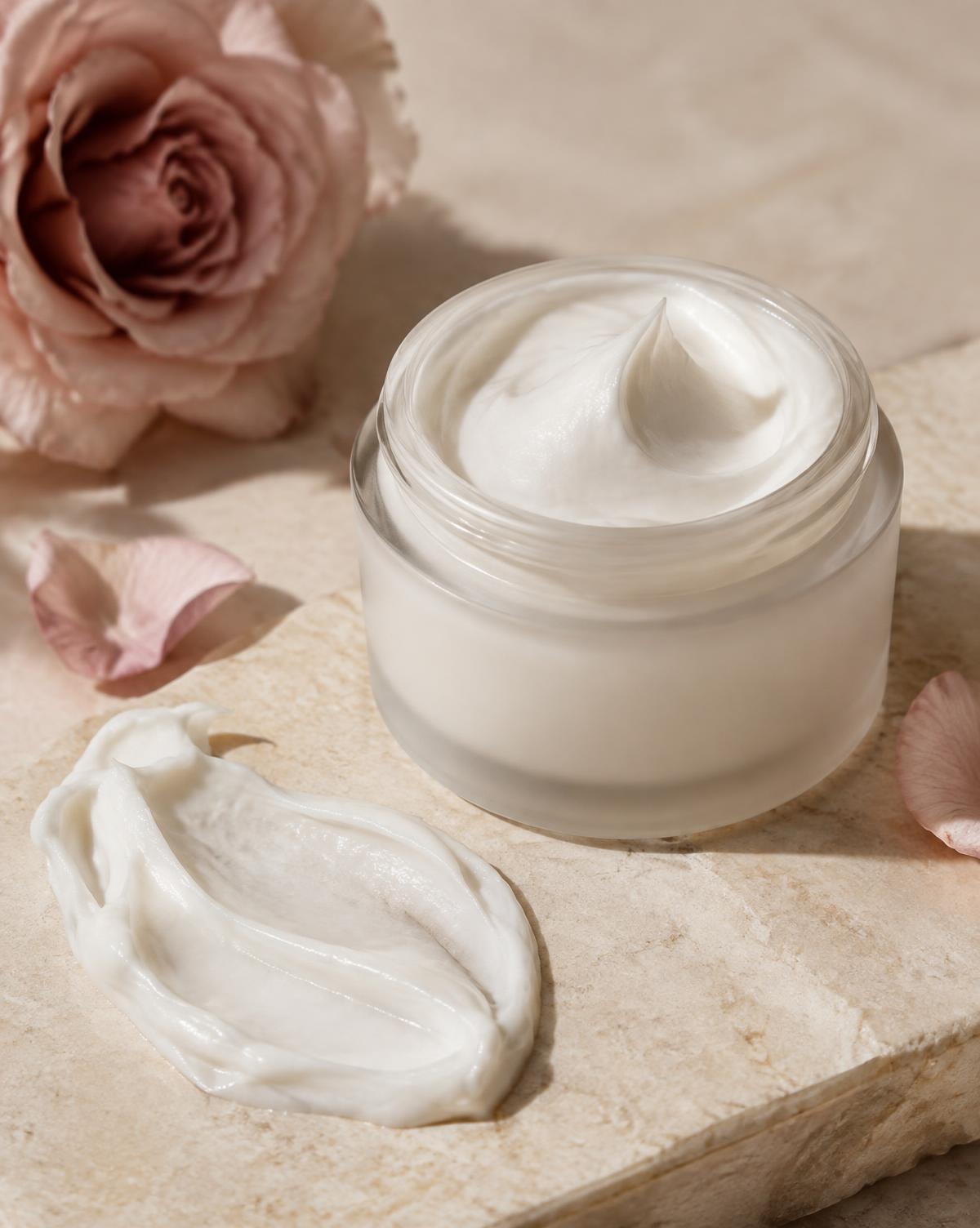
The outer layer of skin works like a wall: skin cells held together by lipids such as ceramides, cholesterol and fatty acids. It keeps water in and irritants out. When it is disrupted, skin loses moisture faster and reacts more easily.
Signs
How a damaged barrier can feel
Tightness
Skin feels tight or dry soon after cleansing.
Stinging
Products that used to feel fine now sting or burn.
Redness and flaking
Patchy redness, rough texture or peeling.
Sudden breakouts
Irritation can sometimes appear alongside new spots.
Common causes
What usually disrupts it
Over-exfoliation
Frequent acids, scrubs or retinoids used together.
Harsh cleansing
Foaming cleansers that leave skin squeaky, or very hot water.
Weather
Cold wind, low humidity and strong sun.
Too many new products
Several changes at once make irritation more likely.
Recovery routine
A calm routine for a few weeks
Pause exfoliating acids, scrubs and retinoids until skin feels comfortable again. Keep only a gentle cleanser, a fragrance-free moisturiser and sunscreen in the morning.
Gentle cleanser
Non-foaming or low-foam, with lukewarm water. Once a day may be enough.
Barrier moisturiser
Look for ceramides, cholesterol, fatty acids, glycerin or panthenol.
Daily sunscreen
Broad-spectrum SPF 30 or higher; mineral filters can suit reactive skin.
Reintroduce slowly
Once calm, add back one active at a time, a few nights a week.
When to get help
See a professional if it does not settle
If redness, itching, swelling or pain lasts beyond a couple of weeks of a simple routine, or skin cracks or weeps, see a dermatologist or doctor. Conditions such as eczema or rosacea need proper diagnosis.