Skincare — Essentials
The complete moisturizer guide
Every skin type needs moisture. The trick is matching the texture and ingredients to your skin.
7 minute read
Written and reviewed by Beauty World Editorial · Last reviewed October 2026
How they work
Three jobs in one jar
Humectants
Glycerin, hyaluronic acid, urea and panthenol pull water into the top layer of skin.
Emollients
Squalane, ceramides, fatty acids and light oils smooth and soften rough patches.
Occlusives
Petrolatum, dimethicone, shea butter and lanolin form a seal that slows water loss.
Textures
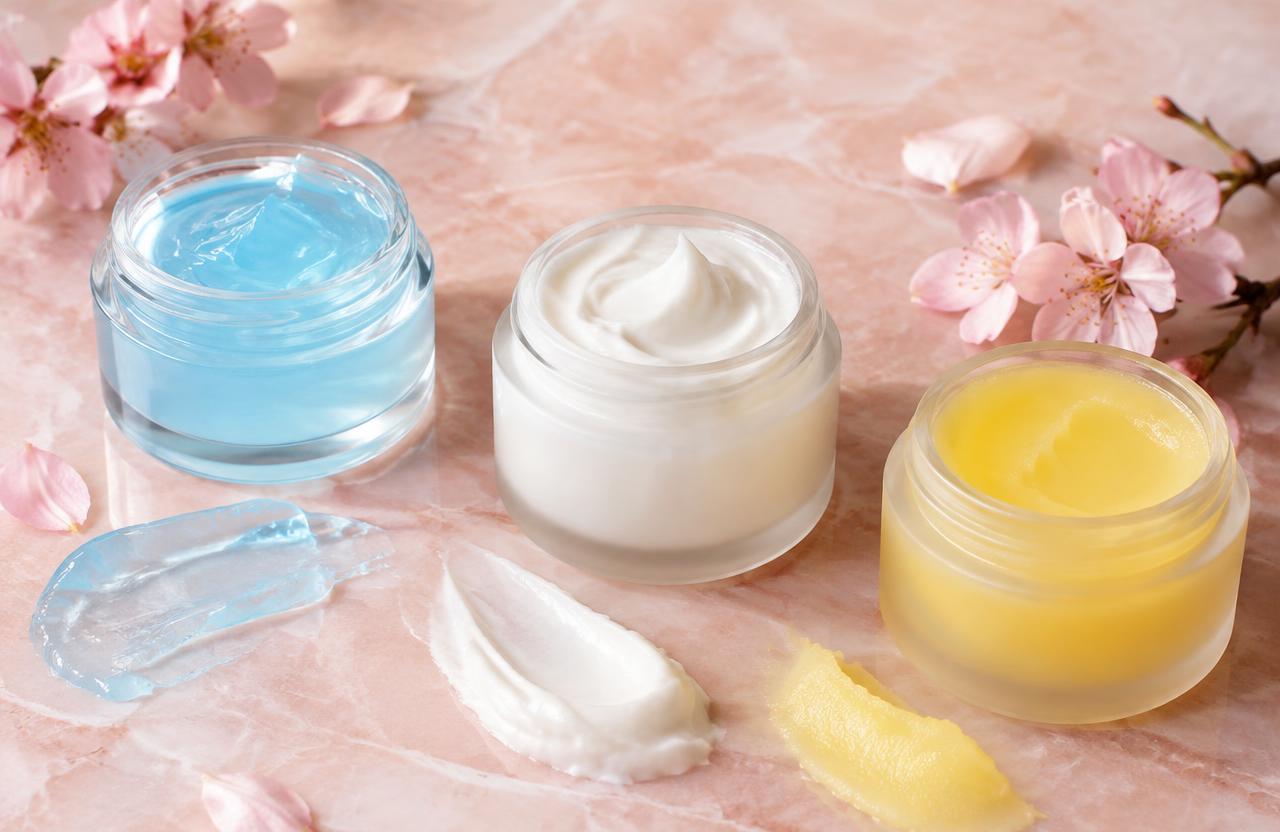
Gel, lotion, cream or balm?
Gel
Water-light and fast-absorbing; best for oily, acne-prone or humid climates.
Lotion
Light but more cushioning; suits normal and combination skin.
Cream
Richer with more emollients; good for dry or mature skin and winter.
Balm / ointment
Very occlusive; for very dry patches, cracked skin or a barrier in repair.
By skin type
What to look for
Oily
Oil-free gel with niacinamide or hyaluronic acid; labelled non-comedogenic.
Dry
Cream with ceramides, shea butter, squalane and glycerin.
Combination
A light lotion all over, with a richer layer only on dry areas.
Sensitive
Fragrance-free, short ingredient lists, colloidal oatmeal or panthenol.
Acne-prone
Light, non-comedogenic formulas; moisturizing reduces irritation from acne treatments.
Steps
How to apply it
1. Damp skin
Apply within a minute of cleansing or after serum to lock water in.
2. Pea-to-almond size
Warm between fingers and press in rather than rubbing hard.
3. Don't forget the neck
Extend down the neck and onto the chest.
4. Morning SPF
Moisturizer never replaces sunscreen; apply SPF 30+ on top.
Avoid
Common mistakes
Skipping it with oily skin
Dehydrated skin can feel tighter and look oilier.
Heavy fragrance
A frequent cause of irritation on reactive skin.
Changing too often
Give a new moisturizer 2–4 weeks before judging it.