Makeup & culture — Feature
Why makeup matters around the world.
Makeup has been used for ritual, status, protection, art and self-expression for thousands of years. Here's why it still matters today, and where to keep a critical eye.
9 minute read
Written and reviewed by Beauty World Editorial · Last reviewed October 2026
History
A practice as old as civilisation
Long before modern beauty counters, people coloured their skin, eyes and lips with minerals, plants and fats. Makeup marked rank, protected the skin and eyes, and played a role in ceremonies.
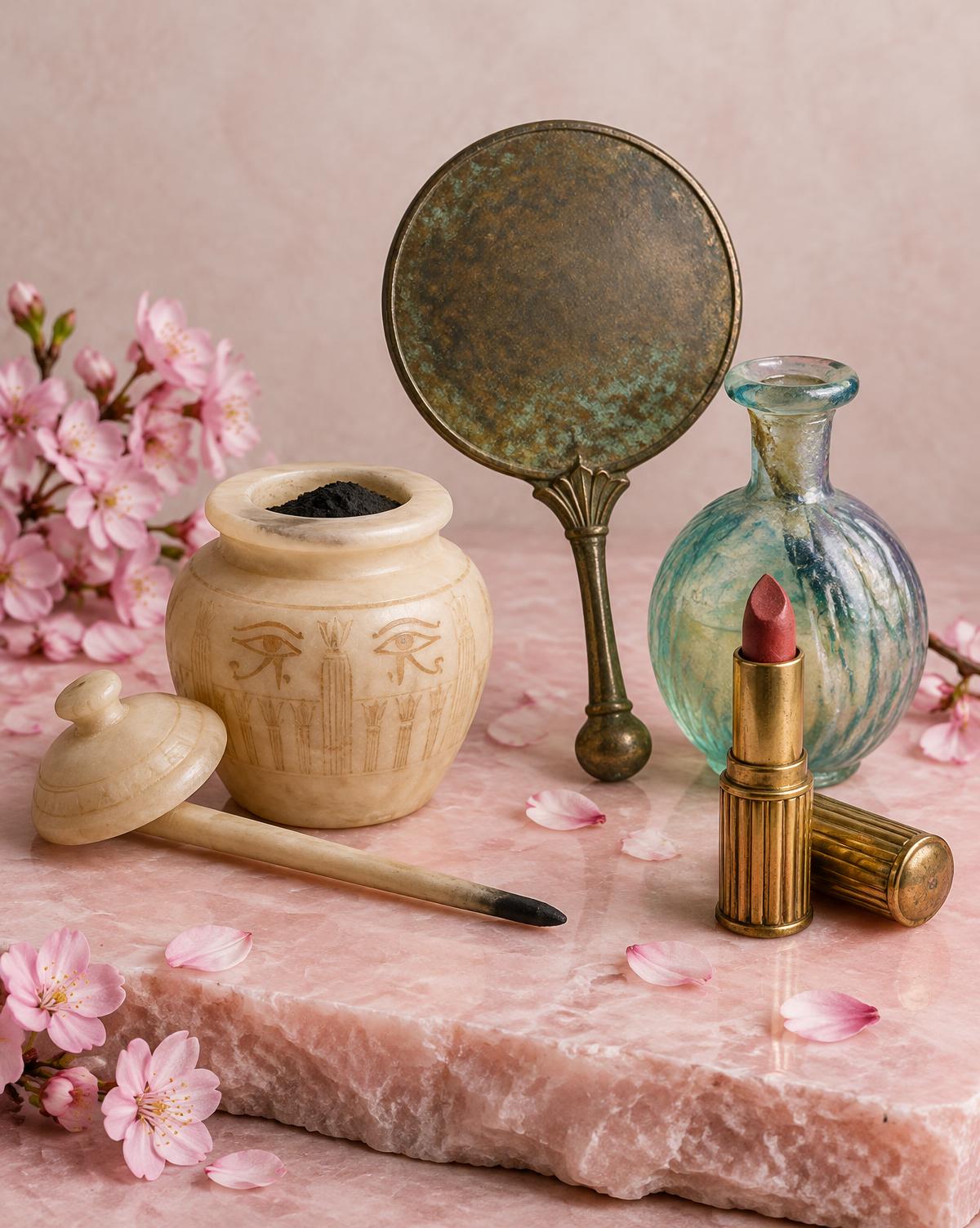
Ancient Egypt
Kohl and green malachite
Eyes were lined with dark kohl and coloured with malachite, both for beauty and in the belief it protected against sun glare and illness.
Classical Greece & Rome
Pale skin and rouge
Light complexions signalled leisure and status. Some white face powders contained lead, an early lesson in ingredient safety.
Imperial China & Japan
Ritual and refinement
Red lip colour, painted brows and white face makeup formed codes of beauty at court and in the performing arts.
20th century
Hollywood and mass-market beauty
Film, photography and new manufacturing made lipstick, mascara and foundation affordable for millions.
Makeup has always been a mirror of its time: its values, its technology and its ideas about beauty.
Culture
One world, many beauty languages
Makeup carries different meanings from place to place. What is everyday in one country is ceremonial in another.
Middle East & North Africa
Kohl remains a classic, worn for its defining effect and long cultural heritage.
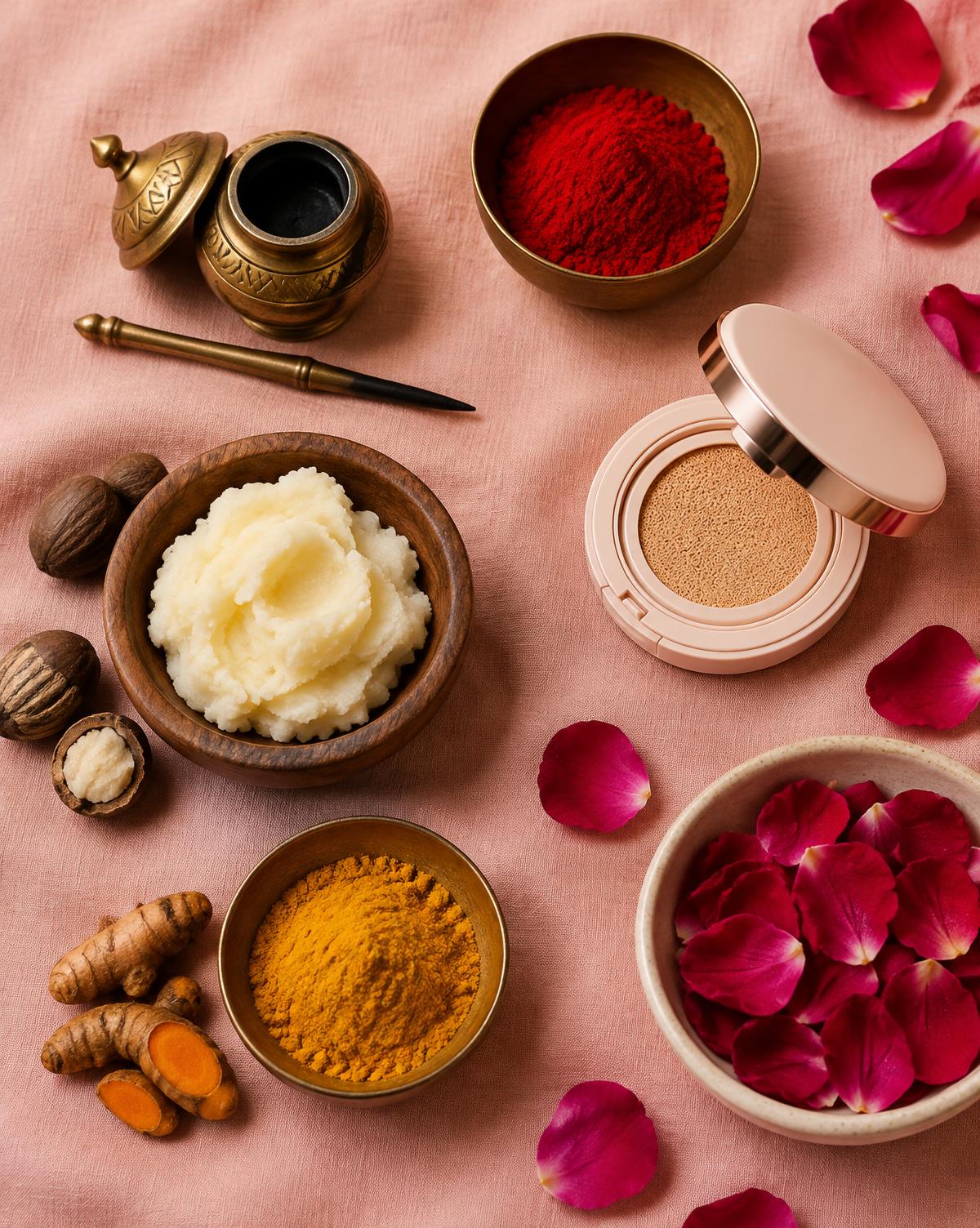
South Asia
Bridal makeup, henna and bindi traditions make beauty part of celebration and family ritual.
East Asia
Japanese and Korean beauty focus on skin first: light textures, hydration and natural colour.
Africa & Latin America
Bold colour, natural butters and festival makeup celebrate heritage and community.
Wellbeing
Confidence and self-expression
Many people describe makeup as a way to feel ready, express mood or play with identity. A familiar routine can be a calming ritual at the start of the day.
The value lies in choice. Wearing a full face, a little or nothing at all are all equally valid.
Art
A creative art form
Makeup artistry shapes theatre, film, fashion editorials and drag performance. Special-effects artists build characters and worlds, and editorial artists turn faces into canvases.
Theatre & film
Makeup makes features readable under stage lights and transforms actors into characters.
Fashion & editorial
Artists set trends and tell visual stories on runways and in magazines.
Industry
A global industry and livelihood
Beauty is one of the world's largest consumer industries. It supports makeup artists, cosmetic chemists, salon owners, content creators and many independent brands, and new ideas often start small before spreading worldwide.
Balance
The other side: pressure, cost and safety
Makeup can also create pressure to meet narrow standards, push overspending and expose skin to irritating ingredients. Choose products that suit your skin, check ingredients, clean your tools and remember that trends are optional.
Social pressure
Filters and trends can make unrealistic looks seem normal.
Cost
A few well-chosen multi-use products often beat a crowded shelf.
Skin safety
Patch-test new products and replace old mascara and liners.
Hygiene
Dirty brushes and shared products spread bacteria.