
Skincare — Dry & sensitive
Skincare for dry sensitive skin
Repair the barrier first — once it's strong, dryness and stinging both ease.
6 minute read
Written and reviewed by Beauty World Editorial · Last reviewed October 2026
01
Signs
Signs of dry sensitive skin
Tightness and stinging
Even water or plain moisturisers can sting.
Flaky redness
Dry patches that look pink or irritated.
Easily triggered
Cold, wind and heating make it worse.
02
Routine
Barrier-repair routine
Morning
Rinse with lukewarm water, ceramide cream, mineral SPF.
Evening
Cleansing balm or cream cleanser, ceramide cream, a thin layer of balm on driest patches.
Pause actives
Stop acids and retinoids until skin feels calm for 2–4 weeks.
03
Ingredients
Look for
Ceramides & cholesterol
Rebuild the barrier.
Colloidal oatmeal & panthenol
Calm itch and redness.
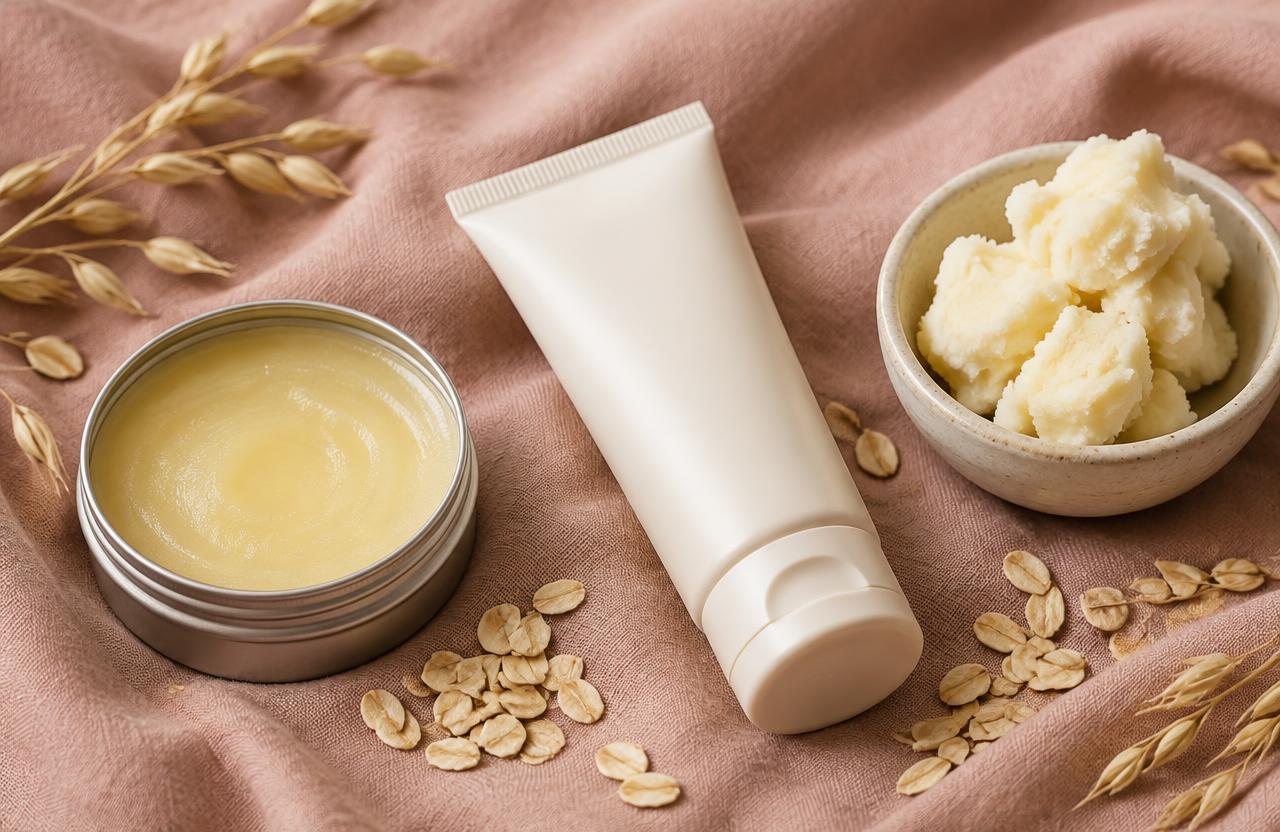
Petrolatum or shea
Seal moisture in.
04
Avoid
Avoid
Foaming cleansers
Too stripping.
Fragrance & essential oils
Frequent triggers.
Scrubs and strong acids
Damage the barrier further.